
During home renovation or electrical wiring, wall chasing is an essential step. Whether it’s to lay pipes or install sockets, the efficiency and cleanliness of the wall chasing process directly impact the quality and appearance of the entire project. However, wall chasing isn’t simply about cutting; it requires the right tools and techniques to ensure the wall structure’s safety and the final result’s quality. In this article, we’ll provide a comprehensive guide to wall chasing, covering the following topics:
- What is a chase wall?
- How to manage dust while creating wall chases
- Three common ways of wall chasing
- Best tools for chasing walls
Whether you’re a DIY enthusiast or a professional contractor, this guide will be an ideal reference.

What is a Chase Wall?
A chase wall is designed to hide mechanical systems such as pipes, electrical wires, and air ducts inside a building. Unlike regular solid walls, a chase wall has extra depth or cavities, allowing these systems to run vertically or horizontally within the wall. This design maintains a neat and clean appearance by concealing pipes and wires, which makes future maintenance and upgrades easier.
The main purpose of a chase wall is to enhance the aesthetics of a building’s interior by preventing unsightly exposed pipes and cables. It also facilitates future maintenance or renovations by incorporating access points or removable sections, avoiding the need for extensive wall damage. Chase walls are widely used in modern buildings, particularly in areas with complex piping like bathrooms and kitchens, as well as in commercial buildings with large electrical or plumbing systems.
Wall chasing refers to creating these structures in concrete or brick walls.
How to Chase a Wall
Wall chasing requires precise planning and professional techniques. It’s crucial to take proper safety measures during the process. Below, we’ll introduce the detailed steps of wall chasing and recommend tools and methods suitable for different scenarios.

Planning and Marking
Before chasing the wall, it’s important to determine the path and position of the chase according to the design plans. Use a measuring tape, then mark the areas on the wall using a pencil or marking tool. To avoid damaging pipes or cables within the wall during cutting, a wall stud finder is recommended to ensure safety.
Wall Chasing Without Dust
Controlling dust during wall chasing is crucial. Two common dust removal methods are water-cooled dust suppression and vacuum dust extraction.
- Water-cooled dust suppression effectively controls dust while also cooling the cutting blade, improving cutting efficiency and reducing blade wear. However, this method produces wastewater, which may stain the wall, and the splashing water can make the process inconvenient.
- Vacuum dust extraction involves using a vacuum to remove dust, preventing immediate contamination of the surrounding environment. The downside is that it generates more heat during operation, which can wear down the blade more quickly and reduce cutting efficiency.
3 Common Ways for Chasing the Wall
During the actual cutting process, avoid repeatedly cutting into existing chases. As a general rule, the depth of horizontal cuts should not exceed one-sixth of the wall thickness, and vertical cuts should not exceed one-third to ensure the wall’s structural integrity.
Here are 3 common cutting ways:

Single-blade Wall Chasing
This method uses a single blade to cut along both sides of the chase. Afterward, the middle section is removed using a chisel or hammer drill. The advantage is that it conserves blade wear and allows for flexibility in chase width, as it’s not limited by the equipment. However, it’s more labor-intensive, making it harder to ensure uniform chase width and a flat base.

Dual-Blade Wall Chasing
This method uses equipment with two blades installed, cutting both sides of the chase simultaneously. A hammer drill is then used to remove the middle section. Compared to single-blade cutting, dual-blade cutting ensures more consistent chase width and improves efficiency, but it still doesn’t guarantee a flat base.
One-Step Wall Chasing
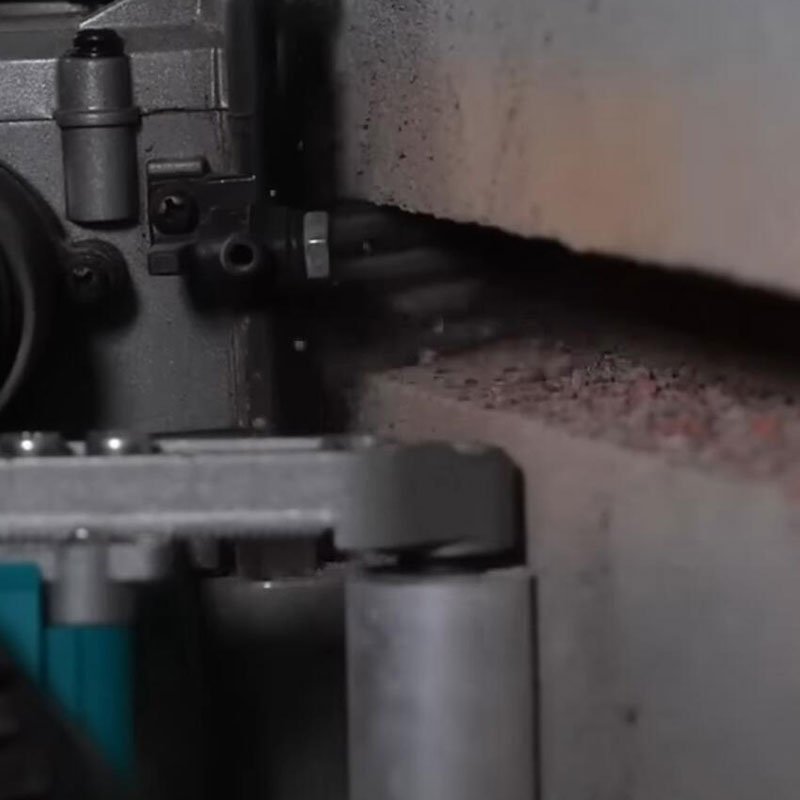
In this method, a machine equipped with multiple blades cuts the entire chase in one step. This ensures uniform width and a flat base, but the blades wear out more quickly, increasing the cost. If the machine’s performance is insufficient, cutting speed may slow down, making the process more difficult.
Best Tools for Chasing Walls
Hiking Machinery, a professional construction equipment supplier, develops advanced wall chasing tools to reduce the labor intensity of wall-chasing work and improve construction efficiency. Here, we recommend three top-quality wall-chasing machines:


- HKHC-180 Long-Handle Wall Chaser: A highly efficient single-blade wall chaser, designed for various electrical cable grooves in walls. It comes with an extended handle, allowing you to chase walls up to 3 meters high without scaffolding. It’s equipped with a powerful 3200W brushless motor with a speed of up to 8,500 RPM, making it ideal for complex cuts in both brick and concrete walls.
- HKHC-230 Electric Wall Chaser: This handheld machine has been improved based on extensive research into contractor needs. It’s equipped with a 4800W turbo motor, providing strong, efficient cutting power for both brick and concrete walls.
- HKHC-2000 Automatic Wall Chasing Machine: The world’s first fully automatic wall chaser, designed for high-efficiency and precise wall chasing. It features an automatic control system, greatly increasing both speed and quality. Its user-friendly design allows anyone to operate it without professional skills. It’s perfect for high-altitude work, with a maximum cutting height of 4 meters.
Laying Cables and Filling Wall after Chasing
Once the chase is cut, the next step is to lay the cables or pipes. Place the cables or pipes into the chase, ensuring they fit snugly and are not exposed. Then, use a suitable filler (such as cement mortar or patching plaster) to fill the chase, smoothing the surface with a trowel. Once the filler dries, the wall can be sanded and repainted to seamlessly blend with the surrounding wall.
Conclusion
Through this guide, you should now have a deeper understanding of chasing wall. Proper planning and marking, effective dust control, and using the right cutting methods are key to ensuring a smooth wall-chasing process. Whether you choose single-blade, dual-blade, or one-step cutting, select the method that best suits your needs and conditions to ensure precise and clean chases, maximizing both construction quality and efficiency.